Attempting Complex Repairs Without Professional Training
The temptation to handle plumbing repairs yourself can feel strong, particularly when you notice a leaking faucet or a running toilet. Many homeowners believe that online tutorials and a trip to the hardware store will suffice. However, plumbing systems involve intricate connections, specialized tools, and knowledge of local building codes that DIY attempts often overlook. What begins as a simple fix frequently escalates into flooding, water damage, or broken pipes that require emergency intervention.
In West Haven, where many homes were built between the 1940s and 1970s, aging galvanized pipes and outdated fixtures add complexity to even routine repairs. These older systems often hide corrosion or weakened joints that break under amateur handling. A homeowner who replaces a shutoff valve without recognizing the brittleness of surrounding pipes may crack a connection and flood a basement within minutes. The initial savings from avoiding professional help disappear quickly when you factor in water damage restoration, mold remediation, and the eventual need to call emergency plumbing services anyway.
Another common scenario involves water heater repairs. Adjusting temperature settings or flushing sediment may seem straightforward, but improper handling of gas lines, electrical connections, or pressure relief valves poses serious safety risks. Connecticut winters place heavy demands on water heating systems, and a malfunctioning unit during January can leave your household without hot water for days if a DIY attempt causes further damage.
The smartest approach is to recognize the limits of your skill set. Handle minor tasks like replacing a showerhead or tightening a loose faucet handle, but leave anything involving shutoff valves, hidden pipes, or gas connections to qualified professionals. When you need plumbing services for installations or repairs, you protect your home’s integrity and avoid the cascade of problems that DIY mistakes create. Investing in professional work from the start costs less than repairing the damage from a well-intentioned but poorly executed repair.
Neglecting Routine Drain Maintenance
Most homeowners ignore their drains until a complete blockage forces attention. Slow drainage in sinks, tubs, or showers serves as an early warning that buildup is accumulating inside your pipes. Hair, soap residue, grease, and mineral deposits from hard water gradually narrow the pipe diameter. By the time water stops draining entirely, the clog has usually become severe enough to require professional intervention rather than a simple preventative measure.
West Haven’s water supply contains moderate levels of minerals that contribute to scale buildup over time. This issue compounds in homes with older plumbing where decades of deposits have already reduced pipe capacity. Kitchen sinks face additional stress from cooking oils and food particles, even when you use a garbage disposal correctly. Bathroom drains accumulate hair and personal care products that bind together into stubborn masses. When these clogs form deep within your drainage system, store-bought chemical drain cleaners often prove ineffective and may damage pipes without solving the underlying problem.
A more serious consequence of neglected drains is the potential for sewage backup. When main sewer lines develop blockages from tree root intrusion or collapsed sections, wastewater can reverse direction and enter your home through floor drains or toilets. This scenario creates health hazards and expensive cleanup requirements. Regular drain cleaning services prevent these emergencies by removing buildup before it causes backups.
Schedule professional drain cleaning annually, or more frequently if you notice recurring slow drainage. Hydro jetting and mechanical augering remove buildup completely, restoring full flow capacity. Between professional cleanings, use mesh drain covers to catch hair and debris, avoid pouring grease down kitchen sinks, and run hot water after each use to help clear residue. These simple habits extend the time between necessary cleanings and reduce the likelihood of sudden blockages. When you invest in preventative maintenance, you avoid the stress and cost of emergency calls to address overflowing drains or sewage backups that could have been prevented with routine care.
Choosing Contractors Based Solely on Price
When faced with a plumbing problem, the lowest bid can seem like the most sensible choice. Budget constraints are real, and saving money on repairs feels responsible. However, selecting a plumbing company based exclusively on price often leads to substandard work that costs far more in the long run. Unlicensed or inexperienced contractors may lack proper insurance, use inferior materials, or cut corners that compromise your home’s plumbing system. The initial savings evaporate when you need to hire qualified professionals to correct faulty installations or repair additional damage.
Connecticut requires plumbers to hold valid licenses and maintain insurance coverage. These requirements exist to protect homeowners from unqualified work and ensure accountability when problems arise. A contractor offering significantly lower prices than competitors may be operating without proper credentials or skipping essential steps like obtaining permits for major work. When unlicensed work causes water damage or violates building codes, homeowners face liability and may struggle to file insurance claims. The financial and legal complications from choosing the wrong contractor can dwarf the amount saved on the initial bid.
Quality materials matter just as much as skilled installation. Cheap fixtures and fittings may function adequately at first but fail prematurely, requiring replacement years before properly installed components would need attention. For example, a low-cost bathroom plumber might install discount faucets that develop leaks within a year, while quality fixtures installed by experienced professionals can last decades with minimal maintenance. Water heater replacement presents another area where cutting corners creates problems. An improperly sized or poorly installed unit will struggle to meet your household’s hot water demands and may fail before reaching its expected lifespan.
When evaluating plumbing services, request detailed estimates that specify materials, labor, timeline, and warranty coverage. Ask about licensing, insurance, and experience with projects similar to yours. Check references and read reviews from previous customers. A slightly higher upfront cost from a reputable contractor delivers superior workmanship, durable materials, and the assurance that work meets code requirements. This investment protects your home’s value and spares you the frustration of recurring problems that result from choosing price over quality.
Ignoring Water Heater Maintenance and Warning Signs
Your water heater works quietly in the background until it suddenly fails, typically at the worst possible moment. Most homeowners give no thought to this essential appliance until cold showers force the issue. However, water heaters require regular maintenance to operate efficiently and reach their expected lifespan of 8 to 12 years. Sediment accumulates at the bottom of the tank over time, reducing heating efficiency and eventually causing premature failure. Pressure relief valves can become stuck or corroded, creating safety hazards. Anode rods that prevent tank corrosion deteriorate and need replacement every few years.
Connecticut’s cold winters place extra demands on water heating systems. When outdoor temperatures drop below freezing for extended periods, your water heater must work harder to maintain temperature, accelerating wear on heating elements and increasing energy consumption. Homes in West Haven with water heaters located in unheated basements or garages face additional stress from cold ambient temperatures. Ignoring these seasonal demands shortens your unit’s lifespan and increases the likelihood of failure during peak usage periods.
Warning signs of water heater problems include inconsistent water temperature, discolored or rusty water, unusual noises like popping or rumbling, visible leaks around the base, or a sudden spike in energy bills. Any of these symptoms indicates that your unit needs professional attention. Rusty water suggests corrosion inside the tank, a problem that will worsen until the tank fails completely and floods your basement or utility room. Strange noises typically result from sediment buildup heating and expanding, which stresses the tank and reduces efficiency.
Schedule water heater services annually to flush sediment, test the pressure relief valve, inspect the anode rod, and check for signs of corrosion or wear. This preventative maintenance extends your unit’s lifespan and maintains optimal efficiency, reducing energy costs. When your water heater approaches 10 years of age or shows signs of deterioration, consult with professionals about water heater replacement before a catastrophic failure occurs. Modern units offer improved energy efficiency that can offset replacement costs through lower utility bills, and planned replacement is always less stressful and expensive than emergency installation after a flooded basement.
Delaying Repairs for Small Leaks and Drips
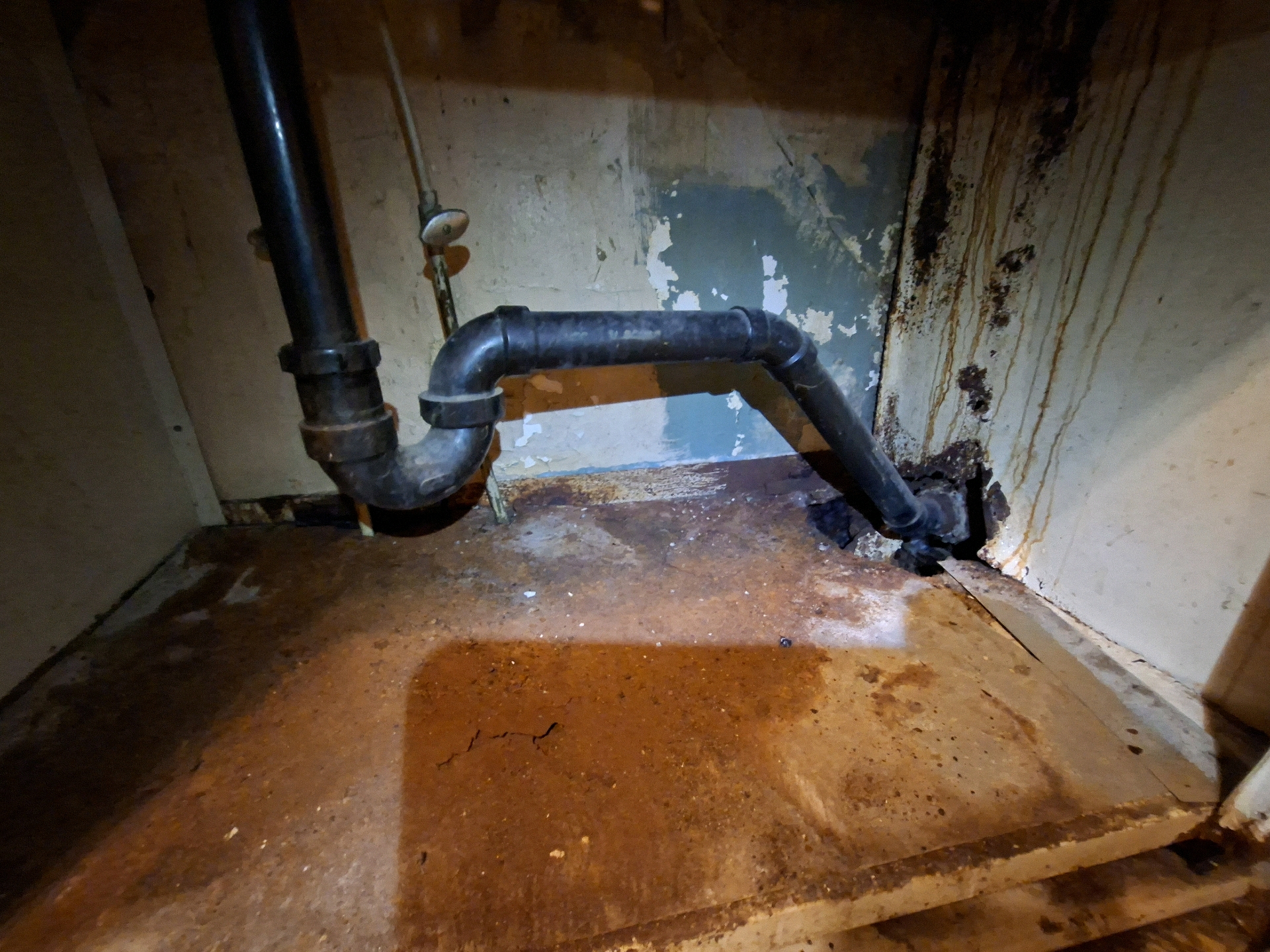
A dripping faucet or a small puddle under the sink may seem like minor annoyances you can address later. Many homeowners postpone repairs because the problem appears manageable and life feels too busy for service calls. This delay transforms small, inexpensive fixes into major damage requiring extensive repairs. A slow leak beneath a bathroom sink can saturate the vanity cabinet, warp the flooring, and create ideal conditions for mold growth long before the damage becomes visible. By the time you notice warped wood or a musty odor, remediation costs have multiplied far beyond what a simple pipe repair would have required.
West Haven’s humid summers create perfect conditions for mold proliferation when moisture accumulates in hidden spaces. A pinhole leak in a pipe running through a wall cavity may go undetected for months while water saturates insulation and structural framing. The repair bill eventually includes not just fixing the leak but replacing damaged drywall, insulation, and framing lumber, plus professional mold remediation if spores have colonized the affected area. What could have been a straightforward pipe repair becomes a multi-trade renovation project costing thousands of dollars.
Water waste from seemingly minor leaks adds up quickly as well. A faucet dripping once per second wastes more than 3,000 gallons annually, enough to fill a swimming pool. Toilet leaks caused by worn flapper valves waste even more water because they run continuously. These leaks inflate your water bills month after month while contributing to unnecessary strain on municipal water systems. The financial impact of wasted water over time often exceeds the cost of prompt repairs by a significant margin.
Inspect your home regularly for signs of leaks, including water stains on ceilings or walls, unexplained increases in water bills, the sound of running water when all fixtures are off, or damp spots around appliances and fixtures. Address any leaks immediately, even if they seem trivial. Contact local plumbers at the first sign of moisture or dripping to prevent small issues from escalating. Professional leak detection services can identify hidden problems before they cause extensive damage. When you treat minor leaks as urgent priorities rather than deferred maintenance, you protect your home’s structural integrity, prevent health hazards from mold, and avoid the shock of emergency repairs that could have been prevented with timely action.